The Benefits of Lifelong Learning: Why It’s Never Too Late to Grow
Discover how the benefits of lifelong learning go far beyond career growth. This concise guide reveals why continuous skill-building at any age strengthens confidence, expands opportunities, and helps you stay adaptable in a fast-changing world.
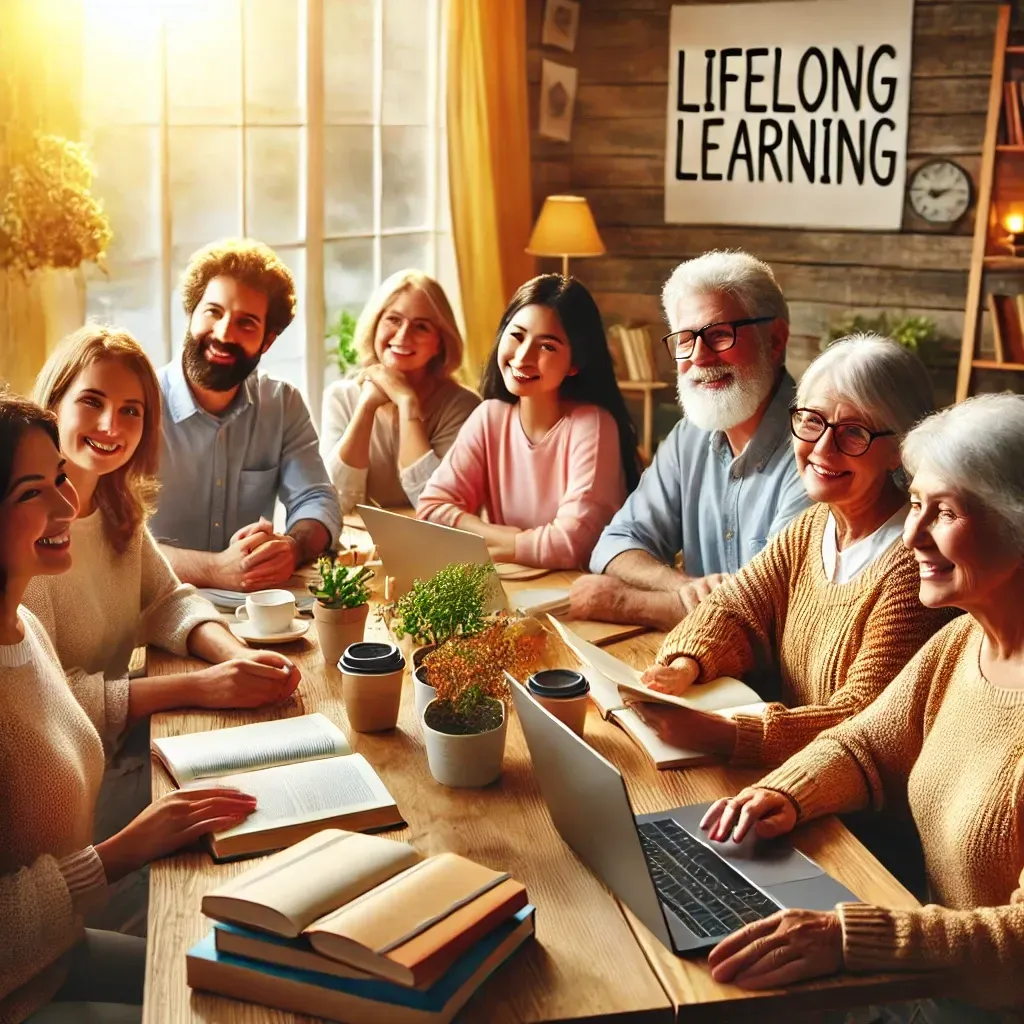
Introduction
When I was 40, I decided to pick up a guitar for the first time. As my fingers stumbled over the strings and my mind struggled to remember chords, I couldn’t help but think, “Am I too old for this?” Fast forward a few months, and not only had I learned to play a few songs, but I’d also discovered a renewed sense of curiosity, motivation, and excitement that I hadn’t felt in years. This experience taught me a valuable lesson: the journey of learning doesn’t have to end when we leave school. This is the essence of the benefits of lifelong learning.
In today’s fast-paced world, where technology and information are constantly evolving, lifelong learning has become more relevant than ever. It’s not just about acquiring new skills; it’s about staying mentally active, adaptable, and engaged with the world around us. In this article, we’ll explore the importance and impact of lifelong learning and how it can enrich your life at any age.
What Is Lifelong Learning?
Lifelong learning is the ongoing, voluntary, and self-motivated pursuit of knowledge for personal or professional development. It’s not confined to a classroom or limited to a certain age. Instead, it encompasses a wide range of activities, from taking online courses and attending workshops to learning new hobbies or languages.
But why is lifelong learning important? It enables us to adapt to changes, improve our skills, and stay curious about the world around us. Whether you’re picking up a new hobby, advancing your career, or simply challenging yourself, lifelong learning provides opportunities for growth and fulfillment.
The Benefits of Lifelong Learning
Enhanced Cognitive Abilities
Engaging in lifelong learning helps to keep our brains active and healthy. Just like physical exercise strengthens our bodies, mental exercise strengthens our minds. Research has shown that people who regularly challenge their brains are less likely to experience cognitive decline as they age.
What are the benefits of long-term memory? Consistently learning new information helps improve long-term memory, making it easier to retain and recall information over time.
Career Advancement and Opportunities
In today’s competitive job market, staying relevant is more important than ever. Lifelong learning allows you to acquire new skills, adapt to industry changes, and stay ahead in your career. Employers value employees who are proactive about their development and demonstrate a willingness to learn.
How does being a lifelong learner help? It helps you stay adaptable and competitive, increasing your chances of career advancement and opening doors to new opportunities.
Improved Adaptability and Flexibility
One of the main purposes of lifelong learning is to help individuals adapt to change. As technology evolves and industries shift, having the ability to learn new skills and knowledge enables us to navigate these changes with confidence.
Why is it important to learn continuously? Continuous learning equips us with the tools to face challenges, adapt to new environments, and embrace opportunities with an open mind.
Increased Confidence and Self-Esteem
Learning something new can be challenging, but it’s incredibly rewarding. As you master new skills or gain knowledge, you build confidence in your abilities and feel a sense of accomplishment.
Which factor is a benefit of lifelong learning? Increased confidence. When we invest in our growth, we develop a stronger sense of self-worth and motivation.
Fostering Social Connections
Lifelong learning often involves interacting with others, whether it’s through classes, workshops, or online communities. These interactions provide opportunities to meet like-minded individuals, share experiences, and build meaningful connections.
Pro Tip: Join clubs, workshops, or online forums related to your interests. Lifelong learning is not just about knowledge; it’s about creating a sense of community and belonging.
Personal Fulfillment and Happiness
Lifelong learning is a journey of discovery. It encourages us to pursue our passions, explore new hobbies, and engage in activities that bring us joy. When we commit to lifelong learning, we create a sense of purpose and fulfillment that enhances our overall well-being.
Practical Tips for Becoming a Lifelong Learner
Set Learning Goals
Identify areas of interest and set achievable learning goals. Whether you want to learn a new language, improve your cooking skills, or gain expertise in a particular field, having clear goals will help keep you motivated and focused.
Use Online Resources
The internet is a treasure trove of learning opportunities. Websites like Coursera, Udemy, and Khan Academy offer courses on a wide range of topics, allowing you to learn at your own pace.
How can lifelong learning be integrated into daily life? Dedicate a few minutes each day to read, watch tutorials, or listen to podcasts on subjects that interest you.
Famous Quotes About Lifelong Learning
Here are some famous quotes that capture the essence of lifelong learning:
- “Live as if you were to die tomorrow. Learn as if you were to live forever.” – Mahatma Gandhi
- “Anyone who stops learning is old, whether at twenty or eighty. Anyone who keeps learning stays young.” – Henry Ford
- “The more that you read, the more things you will know. The more that you learn, the more places you’ll go.” – Dr. Seuss
These quotes remind us that learning is a lifelong journey, not a destination.
FAQs: The Benefits of Lifelong Learning
1. What are the benefits of long-term learning?
Long-term learning helps improve cognitive abilities, career opportunities, adaptability, confidence, and personal fulfillment.
2. Why is lifelong learning important?
Lifelong learning keeps us mentally active, adaptable, and engaged, enabling us to navigate a rapidly changing world with confidence.
3. How does being a lifelong learner help?
Being a lifelong learner helps you stay relevant in your career, adapt to new situations, and maintain a sense of curiosity and excitement about life.
4. What are the three main aspects of lifelong learning?
The three main aspects are cognitive development, adaptability, and personal fulfillment.
5. What is a famous quote about lifelong learning?
“Live as if you were to die tomorrow. Learn as if you were to live forever.” – Mahatma Gandhi
6. What are the purposes of lifelong learning?
The purposes include personal growth, career advancement, social connection, and mental well-being.
Conclusion: Embrace the Journey of Lifelong Learning
The benefits of lifelong learning extend far beyond acquiring knowledge. It’s about nurturing a mindset of curiosity, adaptability, and resilience that enhances every aspect of our lives. Whether you’re learning a new skill, pursuing a passion, or seeking personal growth, lifelong learning empowers you to stay engaged, fulfilled, and ready to embrace whatever comes your way.
You May Also Like
- Develop Problem-Solving Skills
- Importance of Arts Education:
- The Impact of Extracurricular Activities on Academic Success
- Choose the Best Study Abroad Program
- The Benefits of Learning a Second Language
- Effective Study Habits for High School Students
- How to Prepare for College Admissions:
- The Role of Technology in Modern Education
- Benefits of Lifelong Learning
- Ips for Effective Online Learning
- Choose the Right College Major
- Early Childhood Education