How to Choose the Best Sunscreen for Everyday Use
Discover how to choose the best sunscreen for everyday use. Learn about SPF, skin types, and expert tips for choosing the right sunscreen.

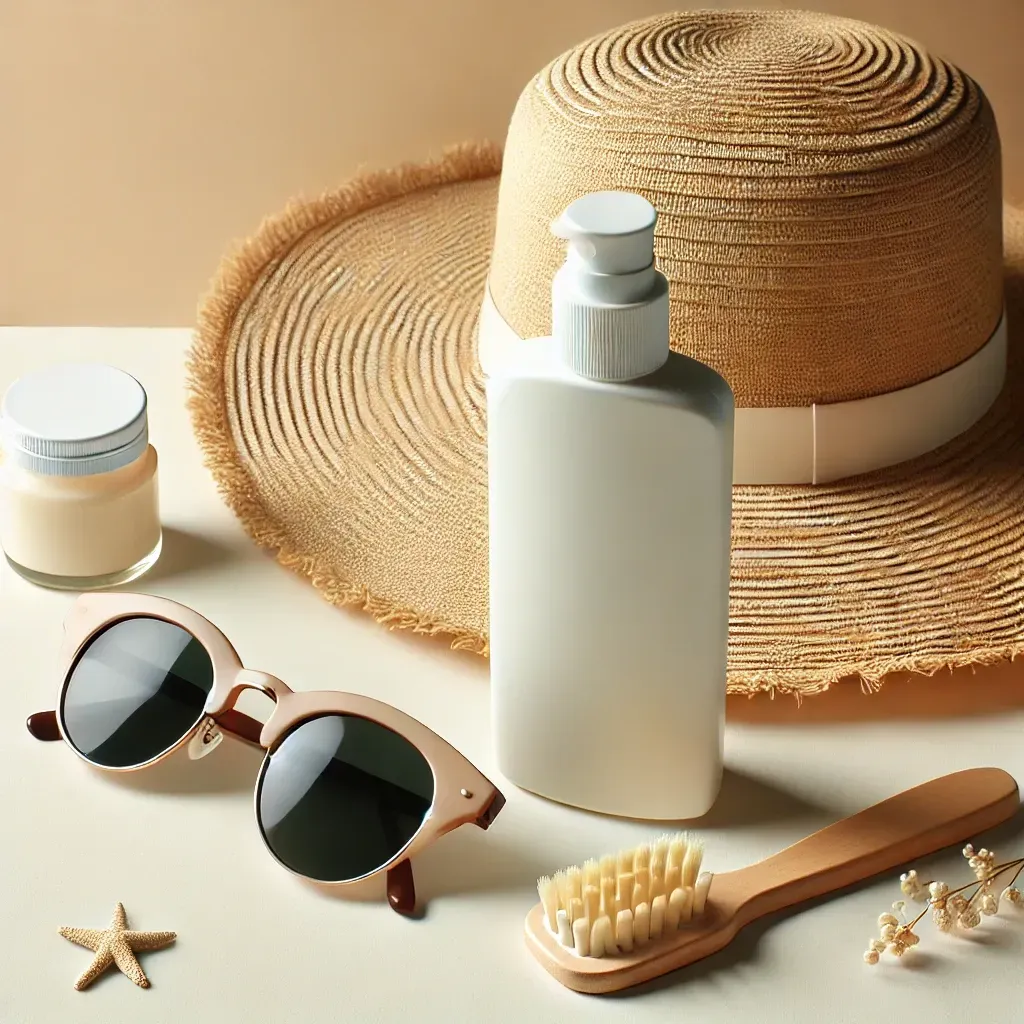
Introduction:
It was an unusually sunny day, and as I prepared to step out, I realized that my usual skincare routine felt incomplete. Despite all my efforts to keep my skin healthy and hydrated, there was one crucial element missing: sunscreen. I had always heard that sunscreen was important, but it wasn’t until I noticed the early signs of sun damage that I began to take it seriously. The question then became: how do I choose the best sunscreen for everyday use?
Whether you’re stepping out for a quick errand or spending hours in the sun, sunscreen is non-negotiable. With so many options on the market, from mineral to chemical sunscreens and varying SPF levels, it can feel overwhelming to find the right one for your skin type and daily activities. In this article, we’ll guide you through the process of choosing the best sunscreen for everyday use, ensuring your skin stays protected and glowing.
Why Sunscreen is Essential for Everyday Use
Before diving into how to choose the right sunscreen, it’s important to understand why sunscreen should be a part of your daily skincare routine, regardless of the weather.
The Daily Protection You Need
Sunscreen is designed to protect your skin from harmful ultraviolet (UV) rays that can cause sunburn, premature aging, and even skin cancer. UV rays are present even on cloudy days, making sunscreen a year-round necessity.
Do dermatologists recommend sunscreen every day? Absolutely! Dermatologists agree that applying sunscreen daily is one of the most effective ways to protect your skin from long-term damage.
Prevents Premature Aging
One of the key benefits of daily sunscreen use is its ability to prevent premature aging. The sun’s UV rays break down collagen and elastin in the skin, leading to wrinkles, fine lines, and sunspots. Regular sunscreen application helps maintain youthful, healthy skin.
Pro Tip: Choose a sunscreen with broad-spectrum protection to shield your skin from both UVA (aging) and UVB (burning) rays.
Understanding SPF and How to Choose the Right Level
When selecting sunscreen, SPF (Sun Protection Factor) is one of the first things you’ll notice. But what SPF is best for body everyday use, and what do those numbers really mean?
SPF 30 vs. SPF 50: Which is Better?
The SPF number indicates how long your skin is protected from UVB rays. SPF 30 means you can stay in the sun 30 times longer than you could without protection. But is SPF 30 or 50 better for daily use?
While both SPF 30 and SPF 50 offer solid protection, the difference is minor. SPF 30 blocks about 97% of UVB rays, while SPF 50 blocks around 98%. For most people, SPF 30 is sufficient for daily use, but if you have fair skin or are prone to burning, SPF 50 offers an extra layer of protection.
Is SPF 70 Too Much for Daily Use?
SPF 70 may seem like overkill, but it’s not harmful. However, dermatologists often suggest that SPF 30-50 is more than adequate for daily wear, as long as you reapply it every 2 hours when exposed to direct sunlight.
Types of Sunscreens: Mineral vs. Chemical
One of the most important decisions you’ll make when choosing sunscreen is deciding between mineral (physical) and chemical formulas. What is the healthiest sunscreen to use, and what’s the difference between the two?
Mineral Sunscreens (Physical Sunscreens)
Mineral sunscreens contain active ingredients like zinc oxide or titanium dioxide, which sit on the skin’s surface and physically block UV rays. They’re often recommended for sensitive skin as they tend to be less irritating.
Pro Tip: Mineral sunscreens are ideal for those with sensitive or acne-prone skin, as they are less likely to cause irritation.
Chemical Sunscreens
Chemical sunscreens absorb UV rays and convert them into heat, which is then released from the skin. Common ingredients include avobenzone, octocrylene, and oxybenzone.
What to avoid in sunscreen? Look for sunscreens without harmful ingredients like oxybenzone, which has been linked to environmental and health concerns. Many brands now offer reef-safe sunscreens that are better for both your skin and the planet.
Choosing Sunscreen for Your Skin Type
Choosing the right sunscreen depends heavily on your skin type and needs. How do I find the right sunscreen for me? Here’s a breakdown of what to look for based on your skin type:
Oily or Acne-Prone Skin
If you have oily or acne-prone skin, finding a lightweight sunscreen that doesn’t clog pores is key. Look for sunscreens labeled “non-comedogenic,” which means they won’t cause breakouts.
Pro Tip: Gel-based sunscreens or those with a matte finish are great for oily skin, helping to control shine throughout the day.
Dry Skin
For dry skin, hydration is essential. Opt for sunscreens that have moisturizing ingredients like hyaluronic acid or glycerin to keep your skin soft and hydrated while offering sun protection.
Pro Tip: Choose a cream-based sunscreen that provides moisture and protection in one.
Sensitive Skin
Sensitive skin requires extra care, and mineral sunscreens are typically the best choice. Look for sunscreens that are fragrance-free and hypoallergenic to minimize irritation.
Pro Tip: Sunscreens with zinc oxide are gentle and effective for sensitive skin.
Combination Skin
If you have combination skin, where certain areas are oily while others are dry, look for a balanced formula. Lightweight lotions or hybrid sunscreens that combine both chemical and mineral filters can offer the best of both worlds.
Everyday Sunscreen: What to Look For
When choosing a sunscreen for everyday use, there are a few key factors to consider:
Broad-Spectrum Protection
Broad-spectrum sunscreens protect against both UVA and UVB rays. Always choose broad-spectrum to ensure full protection from both sunburn and aging.
Water Resistance
If you’re spending time outdoors or working out, water-resistant sunscreens are a must. Even if you’re not swimming, sweat can reduce the effectiveness of sunscreen, so opt for water-resistant formulas when needed.
Pro Tip: Water-resistant doesn’t mean waterproof. Reapply after swimming or sweating for continued protection.
Texture and Finish
Sunscreen comes in various textures: creams, lotions, gels, and sprays. The best one for you depends on your personal preference. Some prefer the light feel of a gel, while others prefer the moisture a cream provides.
Pro Tip: For easy reapplication, especially over makeup, use a sunscreen spray or powder.
Sunscreen and Makeup: How to Layer Your Products
If you wear makeup daily, incorporating sunscreen can feel tricky. Does it matter what brand of sunscreen you use? It depends on how well it works with your skincare routine. Here’s how to layer sunscreen with makeup:
Apply Sunscreen First
Always apply sunscreen as the last step in your skincare routine but before any makeup. This ensures it creates a protective barrier on your skin.
Use SPF-Infused Makeup
While it’s great to have makeup products that contain SPF, they shouldn’t replace your sunscreen. Makeup with SPF can offer extra protection, but it’s not enough on its own.
Reapply Throughout the Day
One of the biggest challenges with sunscreen is reapplying it, especially when you’re wearing makeup. Sunscreen powders or setting sprays with SPF are perfect for touch-ups throughout the day without disturbing your makeup.
Common Sunscreen Myths Debunked
Sunscreen is often misunderstood, so let’s clear up some common myths:
“I Don’t Need Sunscreen on Cloudy Days”
UV rays can penetrate through clouds, so sunscreen is necessary year-round, even when it’s overcast.
“My Makeup Has SPF, So I Don’t Need Sunscreen”
Makeup with SPF is not a replacement for sunscreen. Always apply a dedicated sunscreen before your makeup.
“Sunscreen Causes Breakouts”
Non-comedogenic sunscreens are formulated not to clog pores, so they won’t cause breakouts.
FAQs: How to Choose the Best Sunscreen for Everyday Use 1. What sunscreen should I be using every day?
Choose a broad-spectrum sunscreen with an SPF of 30 or higher for daily use. It should also be suited to your skin type, whether that’s oily, dry, or sensitive. 2. How do I choose everyday sunscreen?
Look for broad-spectrum protection, SPF 30-50, and a texture that suits your skin type. Make sure it’s something you’ll enjoy using every day. 3. Is SPF 30 or 50 better for daily use?
Both are good options for daily use. SPF 30 blocks about 97% of UVB rays, while SPF 50 blocks around 98%. If you spend extended periods outdoors, go for SPF 50. 4. What to avoid in sunscreen?
Avoid sunscreens with oxybenzone and parabens, especially if you have sensitive skin. Look for “reef-safe” sunscreens that don’t contain harmful chemicals. 5. Is SPF 70 too much for daily use?
SPF 70 is not harmful but is generally not necessary for daily use. SPF 30-50 is sufficient for most people. 6. Is sunscreen OK to use every day?
Yes, sunscreen should be used every day to protect against the harmful effects of UV rays, including sunburn, aging, and skin cancer. {"@context":"https:\/\/schema.org","@type":"FAQPage","mainEntity":[{"@type":"Question","name":"1. What sunscreen should I be using every day?","acceptedAnswer":{"@type":"Answer","text":"<p class=\"normal\"><span lang=\"EN\">Choose a broad-spectrum sunscreen with an SPF of 30 or higher for daily use. It should also be suited to your skin type, whether that\u2019s oily, dry, or sensitive.<\/span><\/p>"}},{"@type":"Question","name":"2. How do I choose everyday sunscreen?","acceptedAnswer":{"@type":"Answer","text":"<p class=\"normal\"><span lang=\"EN\">Look for broad-spectrum protection, SPF 30-50, and a texture that suits your skin type. Make sure it\u2019s something you\u2019ll enjoy using every day.<\/span><\/p>"}},{"@type":"Question","name":"3. Is SPF 30 or 50 better for daily use?","acceptedAnswer":{"@type":"Answer","text":"<p class=\"normal\"><span lang=\"EN\">Both are good options for daily use. SPF 30 blocks about 97% of UVB rays, while SPF 50 blocks around 98%. If you spend extended periods outdoors, go for SPF 50.<\/span><\/p>"}},{"@type":"Question","name":"4. What to avoid in sunscreen?","acceptedAnswer":{"@type":"Answer","text":"<p class=\"normal\"><span lang=\"EN\">Avoid sunscreens with oxybenzone and parabens, especially if you have sensitive skin. Look for \u201creef-safe\u201d sunscreens that don\u2019t contain harmful chemicals.<\/span><\/p>"}},{"@type":"Question","name":"5. Is SPF 70 too much for daily use?","acceptedAnswer":{"@type":"Answer","text":"<p class=\"normal\"><span lang=\"EN\">SPF 70 is not harmful but is generally not necessary for daily use. SPF 30-50 is sufficient for most people.<\/span><\/p>"}},{"@type":"Question","name":"6. Is sunscreen OK to use every day?","acceptedAnswer":{"@type":"Answer","text":"<p class=\"normal\"><span lang=\"EN\">Yes, sunscreen should be used every day to protect against the harmful effects of UV rays, including sunburn, aging, and skin cancer.<\/span><\/p>"}}]}
Conclusion: Protect Your Skin Daily
Finding the right sunscreen is one of the most important steps in any skincare routine. Whether you’re facing sunny skies or cloudy days, UV rays are always present, making sunscreen essential for maintaining healthy skin. Now that you know how to choose the best sunscreen for everyday use, you can confidently select a product that suits your skin type, lifestyle, and personal preferences. Start making sunscreen a habit, and your skin will thank you for years to come!
You May Also Like
- Best sunscreen for everyday use
- Benefits of facial oils
- Right shampoo and conditioner for your hair
- Maintain healthy nails
- Top 15 Beauty Tools You Need in Your Routine
- The Best Hair Care Tips for Healthy, Shiny Hair
- The Perfect Winged Eyeliner Look
- Guide to Natural and Organic Beauty Products
- Top 10 Anti-Aging Skincare Ingredients to Look For
- The 10 step korean skincare routine
- Skincare Routines